Written from the heart, Writing Britain was a short film initiative produced by Studio12 that created a collection of films addressing people’s sense of place and tackling issues they were facing. Written and performed by young people, with support and direction from professional film makers, Writing Britain aimed to provide a platform for new talent to be screened.
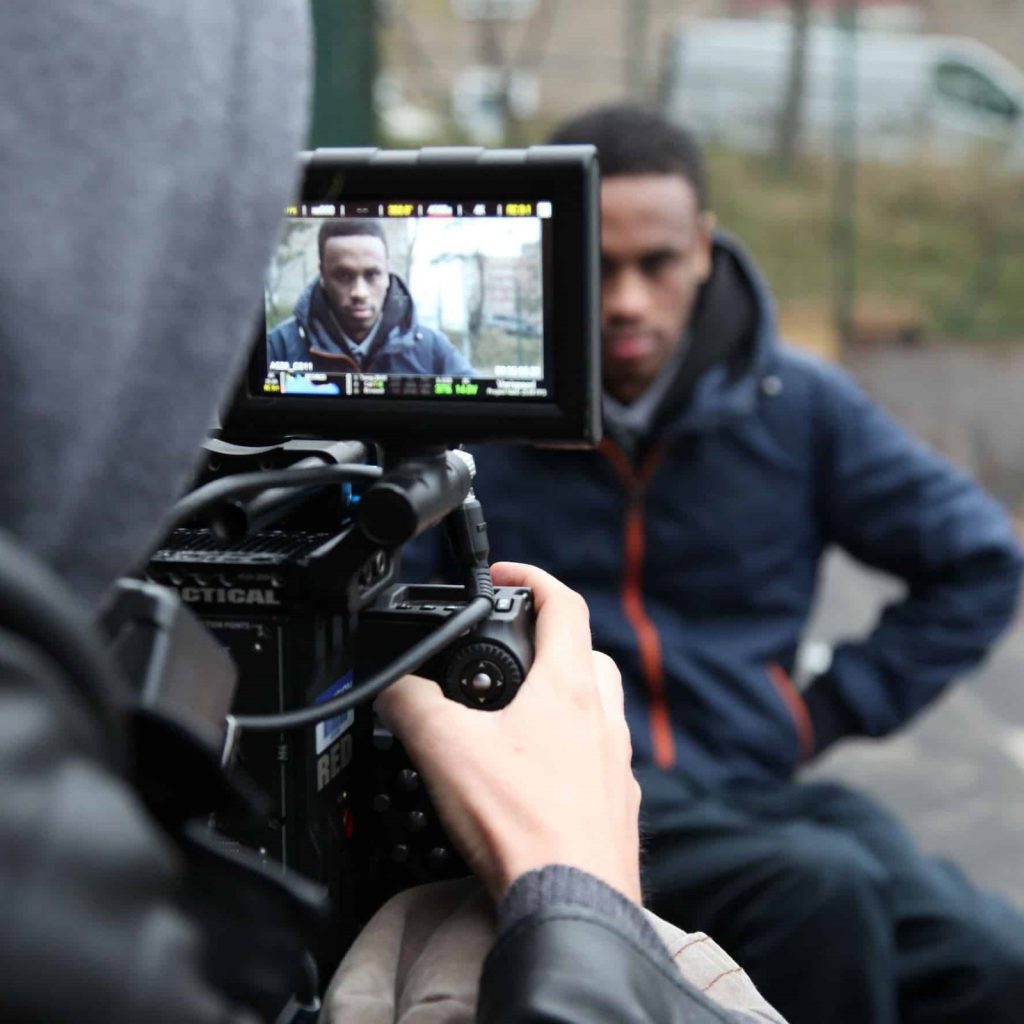
Shot using cinema cameras, the films provided a cinematic perspective to the words of our young writers. Writing Britain highlights how investment in young people can result in new, informative, reflective and exceptional ideas for film.
Writing Britain was showcased through BBC3, International Film festivals and Channel4 Random Acts screenings.
If you are interested in joining similar projects in the future, email us: studio12@leeds.gov.uk
Process | Writing Britain 1 | Writing Britain 2 | Writing Britain 3 | History
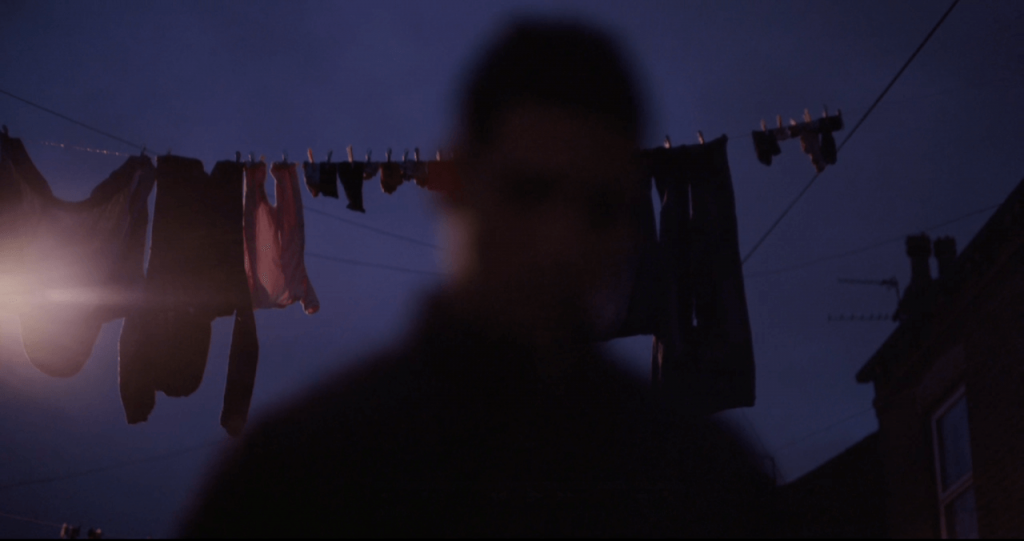
Screen shot from the first Writing Britain Film
PROCESS
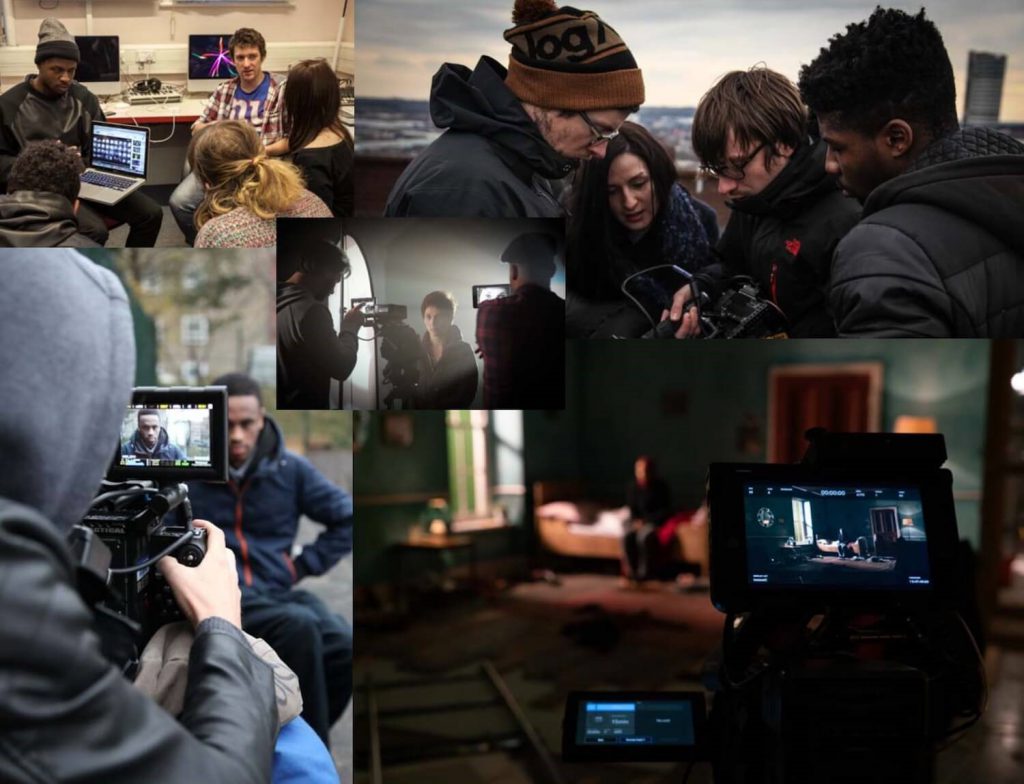
For all three installments of Writing Britain, we looked widely across our region to give a voice to people with a story to tell. We sought out aspiring writers, artists, spoken word performers or filmmakers who wanted a chance to work with professional film directors, poets and writing mentors. We ran workshops to excite, challenge, inspire and support the participants, who were then given a short time to write, shoot and present their idea for a film.
A panel of professional writers and filmmakers selected a number of pieces from these entries that they judged to have the most potential to be developed into a set of films that reflected the project’s themes for that series.
Working with screenwriters and film producers these pieces were then developed with their mentors and prepared for production. We assigned directors and teams of filmmakers to ensure the final film was true to the writer’s vision.
WRITING BRITAIN I
In 2012, Studio12 and Left Eye Blind challenged a group of young people to create a spoken word film that explored language and ideas based on their sense of place. The film was delivered as a response to the national project “Writing Britain” by The British Library.
Set in places close to the lyricists’ hearts, the film depicted the challenges, choices and difficulties that young people were facing and continue to face today.
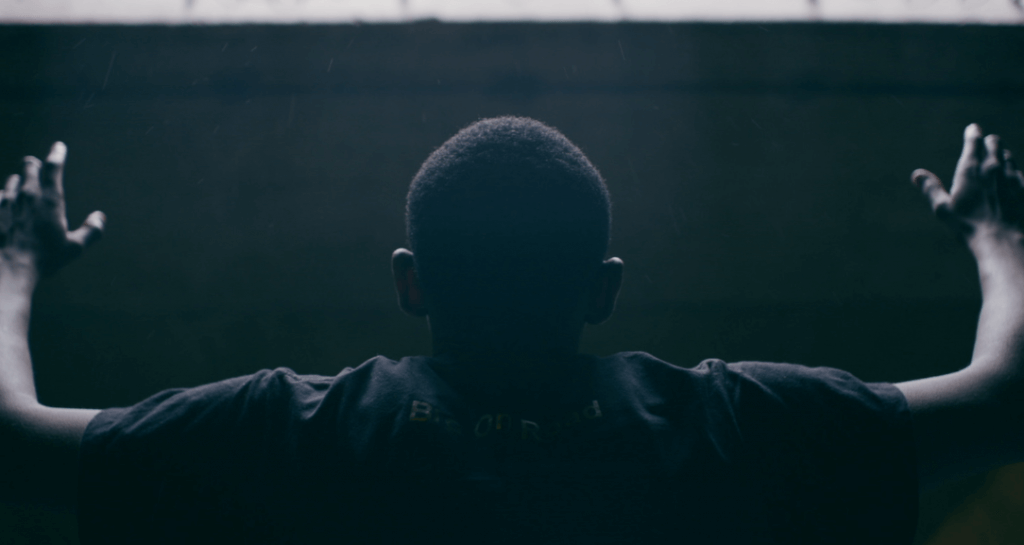
WRITING BRITAIN
FILM
WRITING BRITAIN II
The second installment of this project was an extension and reimagining of the project from 2012, commissioned by the British Library and delivered by Studio12. The aim: to produce short films written by young people, to reflect their sense of place, belonging, hopes, and dreams.
We challenged 15 young people to write, shoot and present their ideas for a film. After months of workshops with young writers, most of whom were first-time writers, 3 individuals were chosen to have their words put to film.
The end results were films providing a cinematic perspective of the reality faced by our young writers. Writing Britain highlighted how investment in young people can result in new, informative, reflective and exceptional ideas for film.
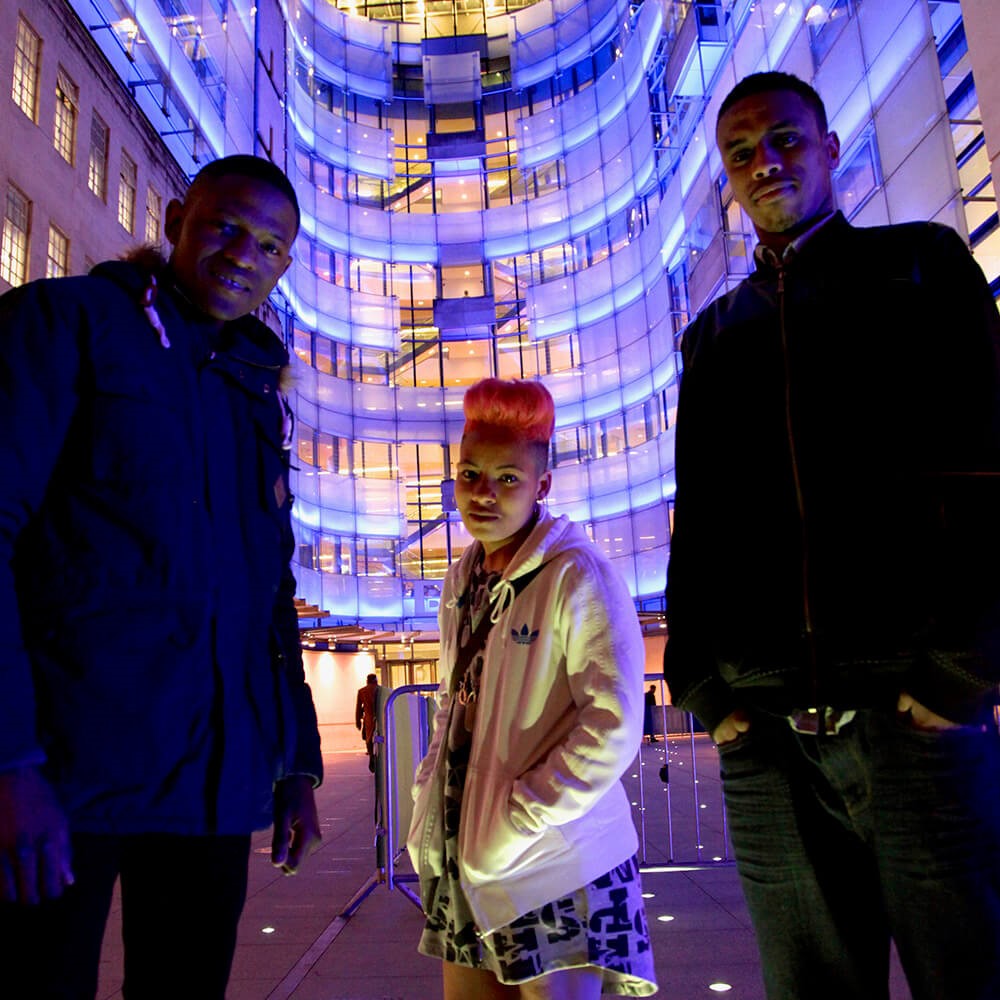
“These young filmmakers have produced beautiful pieces of work and they tell their stories in a poetic and emotionally intelligent way. Take a look.” Nicola Addyman – Editor of Weekly Programmes at BBC Yorkshire
The FILMS
Past – Saph Holden
Addressed to government, Saph’s film is an agonising tale of her teenage self and how she coped with the death of her sister.
Present – Hassan Abdullahi
Hassan’s film provides a powerful poetic perspective on growing up in Leeds.
Future – Mandlenkosi Maposa
In this uplifting film, “Live how you sleep. Live how you dream”, Ma reflects on the power of dreams.
Documentary
We also created a short documentary that followed the process of making the films. We questioned the social problems facing an emerging social class and asked: what more can be provided to today’s youth living within this society?
WRITING BRITAIN III
Writing Britain III was the next release of the Writing Britain films. The project attracted 32 submissions, and again we had to select 3 writers that we felt had the potential to be taken to the next stage. Those who were selected worked with Rommi Smith, lead mentor from the Writing Squad, developing their screenwriting over the next 6 months. From there we assigned industry directors and production teams to develop their scripts into short films.
As we reached out to the people of Leeds we found support in every area of production for the creation of these cinematic shorts. We had over 20 companies and individuals supporting the production of these films, giving their time for free or at cost. We were overwhelmed by the support shown by the people in this great city purely for the love of making film.
For this installment, we had the pleasure of working with Leeds-based music team Jez and Tim from Utah Saints, who came on board to help produce scores for the films we were making.
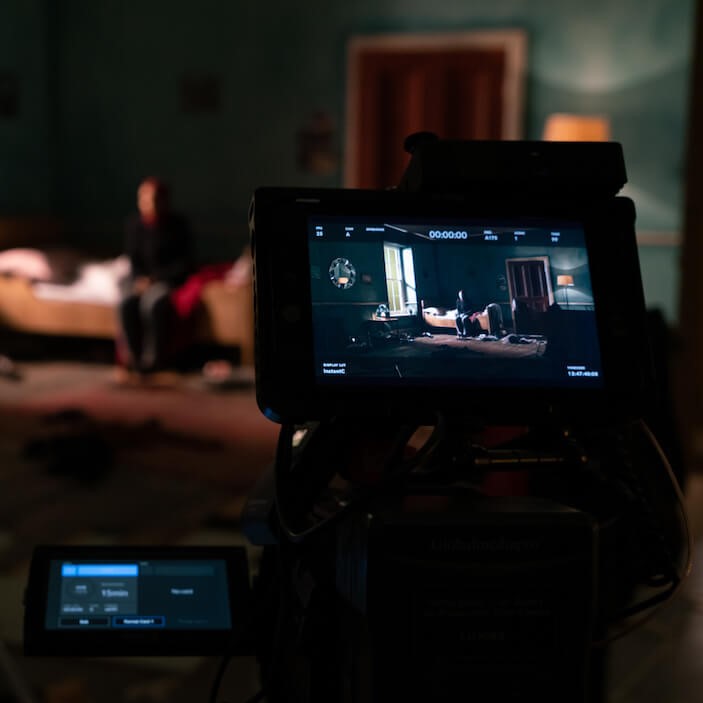
“Asma’s film expresses the loneliness of anxiety with clarity and beauty and the central performance has a quiet confidence. More than anything, this is a piece for our times and the sentiments expressed could apply to any one of us.” Nicola Addyman – Editor of Weekly Programmes at BBC Yorkshire
The FILMS
Unbroken – Melissa Wuidart Phillips
Written from personal experience, Melissa Wuidart Phillips immerses our viewers into the challenges of adapting to new experiences and celebrates the beauty in the smallest of details. The film provides a cinematic perspective on the uniqueness of Asperger’s and celebrates the condition.
Flight – Ntantu
Ntantu walks through his past and choices he has made. This powerful film takes place across the entire city, with Ntantu’s life in three places. Three times. Three stages. Everything Ntantu talks about we see. Every place. Every character. Whether that be in the office daily grind, The pub’s ill defined, The successive waves of crime.
The Waiting Room – Asma Elbadawi
The Waiting Room is a Writing Britain short written and performed by Bradford Award Winning Spoken Word Poet Asma Elbadawi, it explores the issues caused by the symptoms of anxiety.
WRITING BRITAIN: HISTORY
In the autumn of 2012 a British Library initiative entitled ‘Writing Britain’ asked young people from across the United Kingdom to write about their sense of place. From Belfast to Manchester, Glasgow to Birmingham, the project challenged young people outside of education or employment to ask questions of themselves and their place within their surroundings. What does your home mean to you? Why do you live where you live? What does the future hold for you?
For many of the young people within the project, this opportunity provided the first instance in which they had been asked to express themselves in writing. For many others it was the first time that they had been asked to question their place within society. Many of the young people had been excluded from school; many had been what the government calls ‘long term unemployed’ (those who have been on benefits for longer than 2 years). Many had never been considered for an interview. Across the country different facilitators of the project commented that their participants felt like it was the first time their voice was being heard.
In Leeds the writing took a different form. Studio12, a digital media initiative working through Leeds City Council partnered with Left Eye Blind, a film production company based in the city. As partners we decided that the young people’s writing should be put to film. Our revolution would be televised.
We believed that these young people deserved a voice that went further than the paper and pen. We believed that in order to challenge the stereotype of NEET young people (Not in Education, Employment or Training) we had to put a face to the passion, concern and commitment to change we felt from the group we were working with.
We wanted to show that they didn’t need to be employed to desire drastic change to their lives, they didn’t need to be university educated to be opinionated or knowledgeable. We wanted to show that intelligence shouldn’t always be marked or examined. We wanted to challenge the stereotype that society had thrust upon them.
Our initial film took eight young people and asked them to write poetry. Many of the eight writers had performed and written songs previously, mostly within rap or grime genres. But within Writing Britain we asked the aspiring writers to go past what felt natural. To move beyond a genre of music that would instantaneously switch off a white middle class audience. One that would be instantly dismissed by local and national government alike. We asked them to write without a 4/4 beat. We asked them to write from the heart.
It was easy to burn the city to the ground in the wave of discontentment and despondency each felt when asked to write about their city. But when asked why they’d defend Leeds from outside criticism we saw each leap up to defend it. That is what we focused on. Why each chose to live in the city. What, when you looked past the weeds that grew in every street in England, makes Leeds the city worth living in?
What we didn’t expect was the huge force with which our initial expectations were overawed. Each responded to the call to defend and celebrate the city in both shades of light and darkness. Their words were eloquent, raw and delivered with confidence. The piece was a highlight of the Writing Britain project. The film travelled beyond the British Library and into film festivals. Leeds City Council’s Chief Executive Tom Riordan used the film in conferences, speeches and meetings. As a means of art and expression it enabled a delegation of political figures, private businesses and public enterprises to identify with the challenges facing young people today, many of them from minoritised and/or low income backgrounds, and understand them better.
Writing Britain opened up the eyes of our writers to the potential of self-expression. To their voices being not only heard, but understood. Completion of the project prompted a wave of aspiring street poets to come to Studio12. The film toured across the country and the young writers became role models for the next generation.
In the summer of 2013 Studio12 once again partnered with Left Eye Blind to deliver what we considered to be Part 2 to the Writing Britain project. A fire had been lit. Fifteen writers were interviewed and assembled to take part in the project. In this instance we wanted to go further than the idea of sense of place. We asked our writers to not only look at their sense of place, but their sense of place within society or their family, religion or history, city or street.
Through an intensive workshop and interview process the 15 writers were whittled down to just three. But we whittled with a heavy heart. The words that came back to us were heart breaking, inspirational and confrontational. Many wrote about their personal histories and frustrated ambitions with a sense of injustice and appreciation that mesmerized us. The final three were to lead the light of the community that we had assembled.
Our 3 writers, Saph, Ma and Hassan wrote about their lives with eloquence far beyond their age. Working with a screenwriter, their pieces were prepared for screen. Each had their poem filmed as their own piece, three standalone films that present a cross-section of Leeds young people. Each of these films was showcased on BBC3 and screened at international film festivals worldwide. The films continue to be used as tools for discussions in schools, by health workers and to tackle young people’s issues.
2016 was the next release of the Writing Britain films. That year the project attracted 32 submissions, which again we had to reduce to 3 writers that we felt had the potential to be taken to the next stage. They worked with lead mentor from the Writing Squad Rommi Smith, developing their screenwriting over the next 6 months. From there we assigned industry directors and production teams to develop their scripts into short cinematic films. These independent films were released in October 2016.
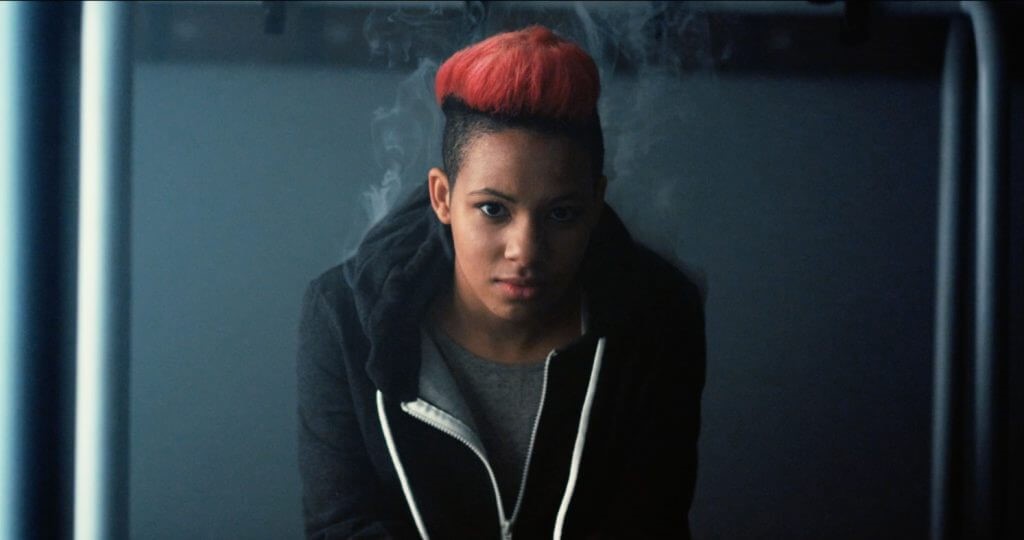
“If you want to be moved, inspired and impressed this is where to look; some extraordinarily powerful work produced by some of the city’s newest emerging talent.” Sally Joynson – Chief Executive, Screen Yorkshire
“The films are absolutely beautiful and so moving” Ellie Kirby Programme Coordinator – Arts, Channel4